Tree Roots in Old Atlanta Sewer Lines
Updated 2026-10 · Atlanta, GA
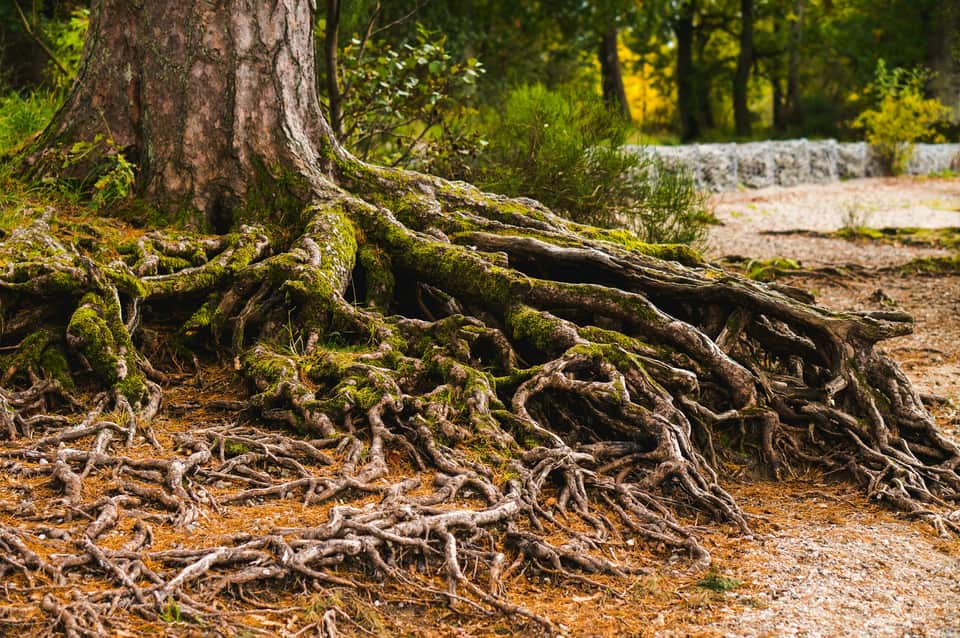
Why roots find the pipe
Roots do not break into a sound pipe. They find one that is already leaking a little, at a joint, and grow toward the moisture and nutrients. A clay lateral laid a century ago has a joint every few feet, packed originally with mortar or tar that has long since cracked. Each of those joints is a small, steady leak into the soil, and an old oak a few yards away will find it. Once a fine root is inside, it branches in the flow and becomes a mat that catches paper and grease until the line slows and then stops.
What a backup from roots looks like
It is usually gradual, then sudden. Drains get a little slow over months. A toilet gurgles when the washer pumps out. Then one day, often after a lot of laundry or a houseful of guests, the lowest drain in the house overflows. Cleared, the line runs freely for a year or so and the cycle repeats. That rhythm is so typical of roots that a plumber hearing it on the phone will usually guess the cause before seeing the pipe.
Cutting buys time
A cable machine with a toothed blade cuts the roots off flush with the inside of the pipe and the line flows. The root system is untouched outside the pipe and the joint is still open, so regrowth starts immediately. Some owners schedule a cutting every year and accept that as the cost of an old line; it is a rational choice when the camera shows the pipe itself is still sound. Foaming root treatments flushed in after a cutting can slow regrowth; they do not close the joint.
Fixing the joint
Lining puts a continuous resin sleeve inside the old pipe, which closes every joint along its length and leaves roots nothing to enter. It needs the pipe cleaned out and still round. Replacing the line with PVC, by trench or by bursting, removes the joints altogether. Either ends the cycle; which one fits depends on access, length and the trees.
Do not take the tree down first
Cutting down the oak is not the fix people hope. Roots already in the pipe can keep growing for a while and then rot, and Atlanta’s tree protection rules mean removing a large tree on private property generally needs a city permit. A healthy canopy is also a large part of what these neighbourhoods are. Fix the pipe; leave the tree.
If you are on the yearly-cutting cycle and want to know whether lining makes sense, ask for the camera footage. Call or send the details.
Where to go next
- Drain cleaning and root cutting
- Lining, spot repair and replacement
- Kirkwood and East Atlanta laterals
Common questions
Will copper sulphate kill roots in my line?
It is sold for the purpose, but it does not close the joint, and many utilities discourage putting it down the sewer. Ask the plumber before using anything.
How long does lining last?
Manufacturers commonly claim decades. It depends on the product and the installation; ask the company for its warranty terms in writing.