Why Basements Back Up in Atlanta Storms
Updated 2026-10 · Atlanta, GA
Atlanta rain is heavy, in bursts
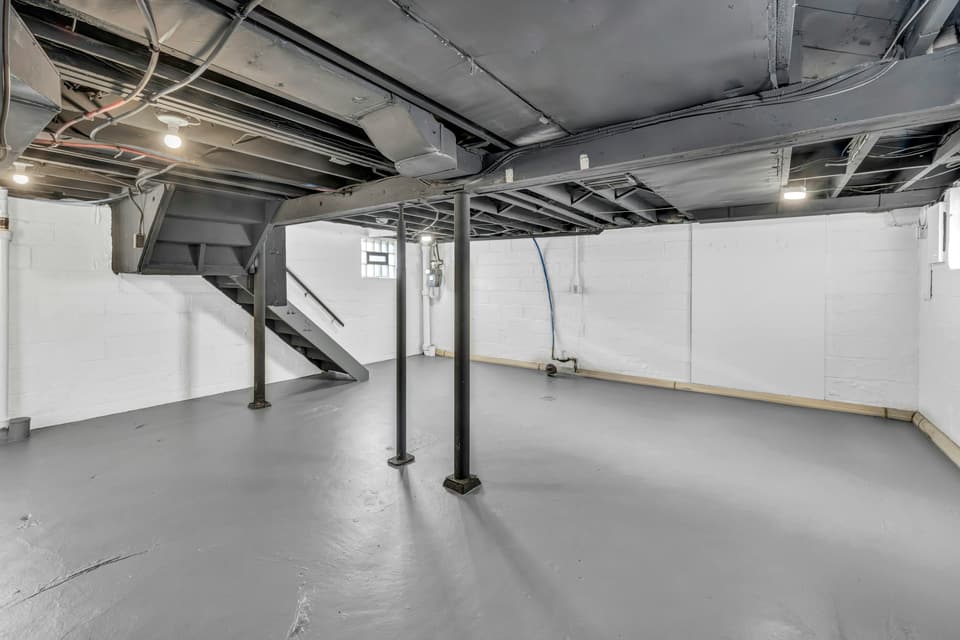
Atlanta averages around fifty inches of rain a year, with late winter, early spring and July the wettest stretches. Much of the summer total arrives in short thunderstorms that drop a lot of water in an hour. A sanitary sewer is designed to carry what the houses send it, not rain. When rainwater gets into it, from anywhere, the pipes fill, and the first place sewage comes out is the lowest opening on the system. In a house with a basement, that is the floor drain.
Where the rain gets in
Your own cleanout
A missing or broken cleanout cap in a low spot of the yard is an open funnel straight into your lateral. It is the cheapest thing on this page to fix.
Old downspouts and area drains
Older houses sometimes had roof drains or exterior stair drains piped into the sewer. That is not allowed in new work, but it survives in old houses and adds a roof’s worth of water to the lateral in every storm.
Cracked laterals
A clay line with open joints takes in groundwater when the soil is saturated, just as it lets roots in when it is dry.
The public system
Atlanta signed federal consent decrees in 1998 and 1999 over sewer overflows, and has spent decades separating and rebuilding its sewers since, but parts of the older system still take on stormwater. In a big enough storm a public main can surcharge and push back up the laterals connected to it.
What a backwater valve does
A backwater valve sits on the lateral and lets sewage flow out but closes when flow reverses. On a house with fixtures below the level of the street, it is the most direct protection against a surcharging main. It needs a cleanout-style access box so it can be checked, and it needs occasional maintenance. The plumbing code Georgia adopts requires backwater protection for fixtures below the upstream manhole in new work; on an existing house, whether one makes sense is a conversation to have with a plumber who has seen the line.
After it happens
Stop using water. Check the cleanout cap. Ask the neighbours. If sewage is coming out of a manhole or several houses are affected, report it to ATL311 inside the city. Photograph everything for the insurer before cleaning up, and treat what came up as contaminated, not just wet.
If it happens every big storm, call or send the details and ask about a camera inspection and a backwater valve.
Where to go next
Common questions
My basement only floods in storms, never otherwise. Is the lateral fine?
Not necessarily. Storm-only backups point at water getting into the sewer, which can be your own open cleanout, a roof drain tied in, cracked pipe or the public main. A camera and a look at the yard sort out which.
Is groundwater seeping through the wall the same problem?
No. Clear water through a foundation wall is a drainage and waterproofing issue, not a sewer one, and is usually a different trade.